Moles And Skin Tags
The Distinction Between A Mole And A Skin Tag Cysts occur mostly on the face, eyelids, neck, ears, and body. Although they posture no prompt risk and may even minimize gradually, some people select to have them operatively eliminated for cosmetic factors. Occasionally a cyst can end up being infected and create sensitivity and discomfort as it positions pressure on the bordering skin and nerve endings. Small pieces of skin that protrude from the surface are known as skin tags. They are sometimes mistaken for developments that look like moles but they are not contagious or infectious. Surgical excisions can leave a mark, and the website of the surgical treatment can also obtain infected. Therefore, it's vital to look after the injury by cleansing and keeping it damp and covered. And, due to the fact that warts are infectious, if you have one, you can spread it to various other areas on your body.
Can you ice up a mole off like a skin tag?
Moles prevail skin developments. While lots of people choose to leave them without treatment, others could discover them cosmetically unfavorable. For those looking for elimination, cold moles & #x 2014; usually described as cryosurgery or cryotherapy & #x 2014; is a popular technique. It can swiftly and successfully reduce the appearance of moles on the face.

Workplace Hours
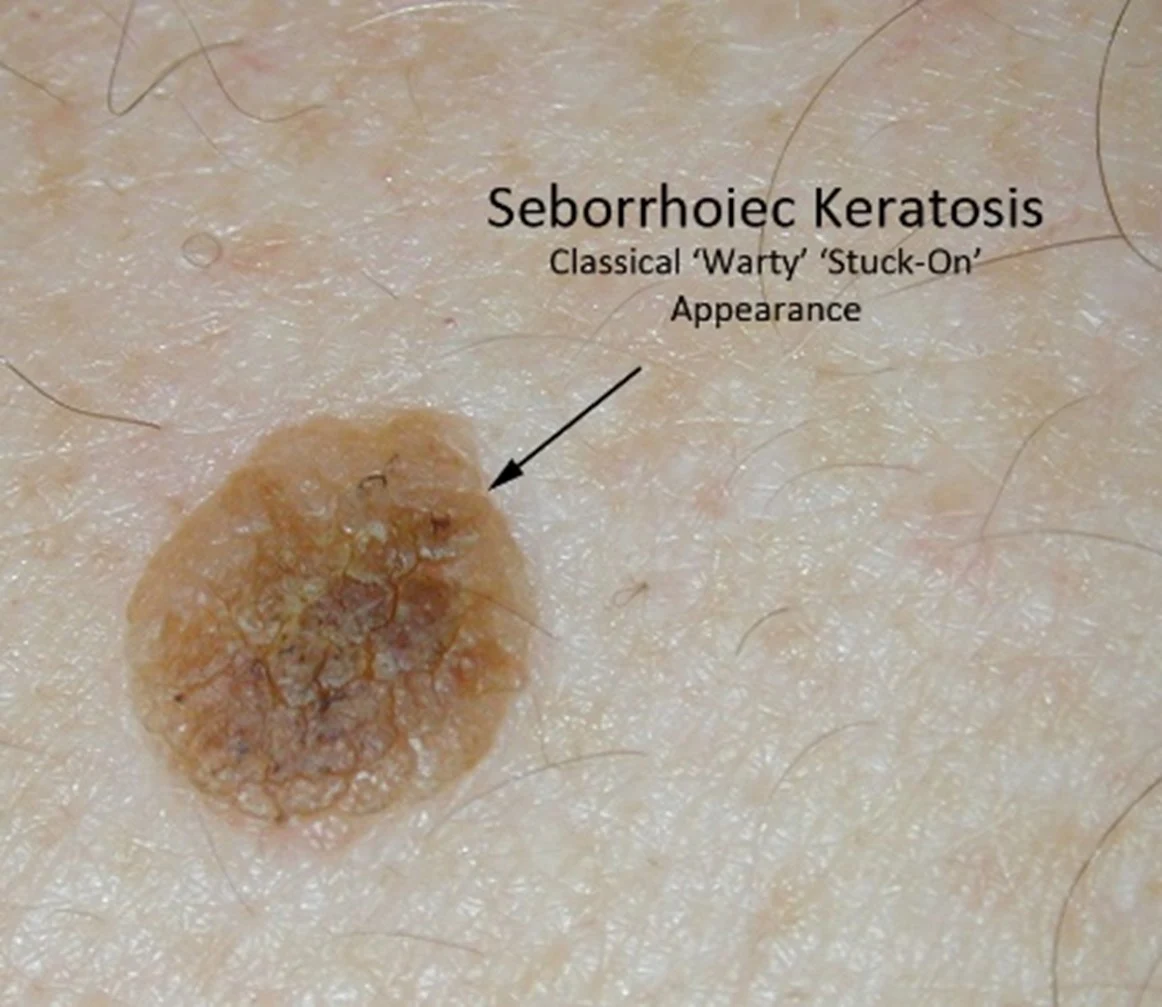
If it turns out to be cancer malignancy or one more type of skin cancer cells, it's a lot easier to treat in early stages. If it becomes benign, you get satisfaction that much sooner," Mandernach claims. With so many forms, sizes and colors, it's difficult to understand whether moles are regular. Gina Mandernach, oncology outreach coordinator at UnityPoint Health, describes different sorts of skin moles, why you require to regularly check them and removal alternatives. Here's how to discriminate between these typical skin problem and indication that they could be malignant. Moles and skin tags prevail skin growths that many people experience eventually in their lives. Moles, also called nevi, are collections of pigmented cells that can show up anywhere on the body. They can vary in size, form, and color, and the Precision Cryotherapy Cherry Angiomas majority of are safe. Skin tags, on the various other hand, are tiny, soft, flesh-colored developments that commonly establish in locations where the skin experiences rubbing, such as the neck, armpits, or groin.- These conditions consist of moles, blemishes, skin tags, benign lentigines, and seborrheic keratoses.
- Recognizing the differences between moles, moles, and skin tags can assist you make educated decisions about your skin health and wellness.
- Still, it's best to have them examined and gotten rid of without delay.
Why Do Birthmarks Expand Hair?
But if any kind of mole shows up rapidly, adjustments color or triggers uncomfortable itching, it's ideal to make a skin doctor visit to rule out skin cancer cells. Skin tags are generally located on the neck, breast, back, under the breasts, or in the groin location. They prevail in older grownups and females that have gained weight. The majority of skin tags aren't unpleasant or dangerous but are benign, and can be awkward if clothing or jewelry massages versus them. They typically contain fat cells, nerve cells, air ducts, and fibers, together with a covering. Unless they're on a feature of your body, they commonly go unnoticed. In a lot of cases, they may drop or rub off painlessly, and in many cases, they might rupture under stress. If you observe any of these signs, get in touch with a skin specialist, as they could be very early indications of cancer malignancy, a kind of skin cancer. Nevertheless, if they are creating discomfort or you simply do not like the method they look, you can have them removed by a medical professional. The Health and wellness Encyclopedia contains basic health info. Not all therapies or services described are covered advantages for Kaiser Permanente participants or offered as solutions by Kaiser Permanente.Can Keratosis Come To Be Cancerous?
Moles are growths that can appear anywhere on the skin and are generally brown or black in shade. Many moles appear in early childhood and during the very first 25 years of a person's life. As the years pass, moles normally change slowly, coming to be raised and/or altering color. Some moles might not alter in all, while others may gradually vanish gradually.